
Foundations of Human Mobility
Human movement represents a complex interplay of biological systems involving skeletal structures, connective tissues, and muscular coordination. Understanding the fundamental mechanisms that support mobility requires examining various factors including tissue composition, nutrient availability, and environmental influences.
The musculoskeletal system relies on numerous components working in harmony. Cartilage, a specialized connective tissue, provides cushioning between bones. Synovial fluid lubricates joint spaces. Tendons and ligaments maintain structural integrity. Each element contributes to the overall capacity for movement and physical activity.
Contemporary research in biomechanics and nutritional science continues to explore how various substances may theoretically interact with these biological systems. This knowledge hub presents educational information about botanical compounds that have been historically studied in relation to body movement support.
Biological Properties of Plant Compounds
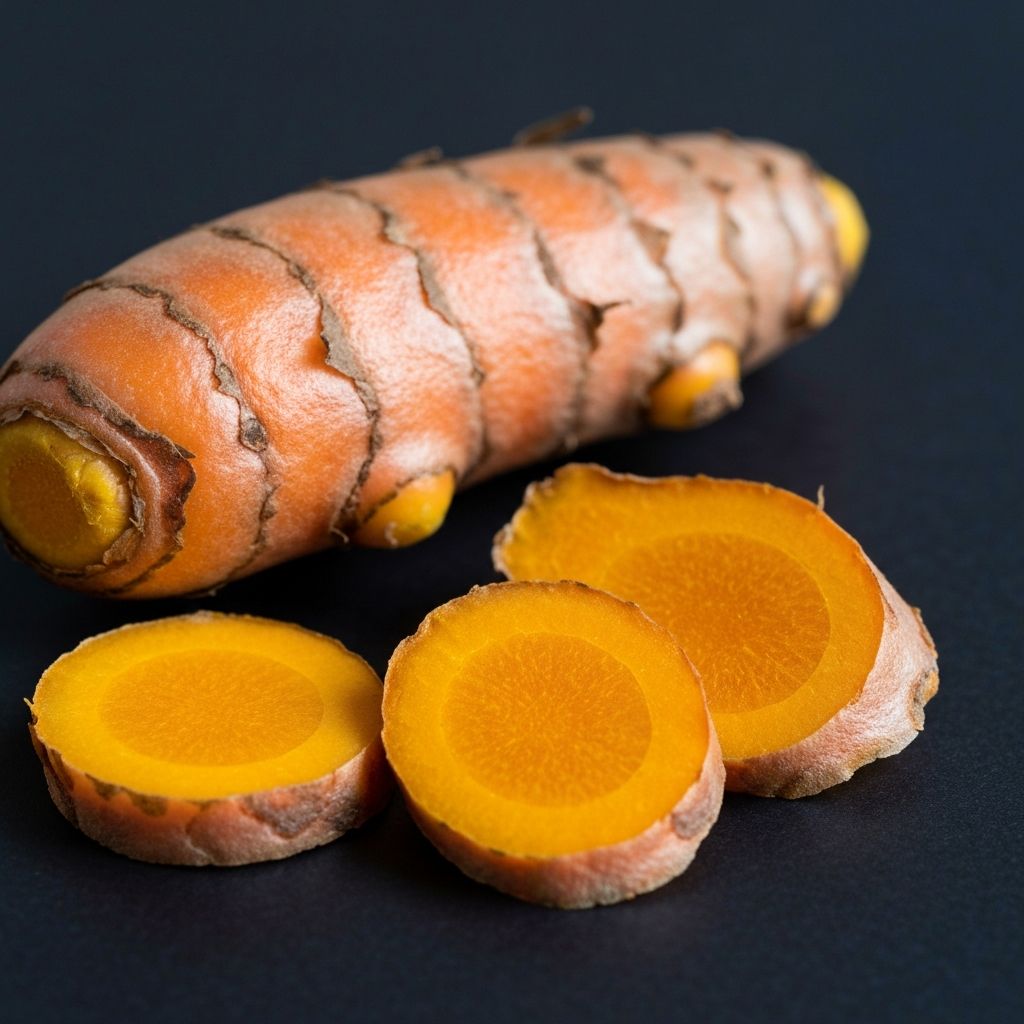
Plant-derived substances contain numerous bioactive compounds that have been subjects of academic interest. Curcumin, extracted from turmeric root, represents one such compound studied for its molecular properties. Scientific literature documents its chemical structure and theoretical interactions with cellular processes.
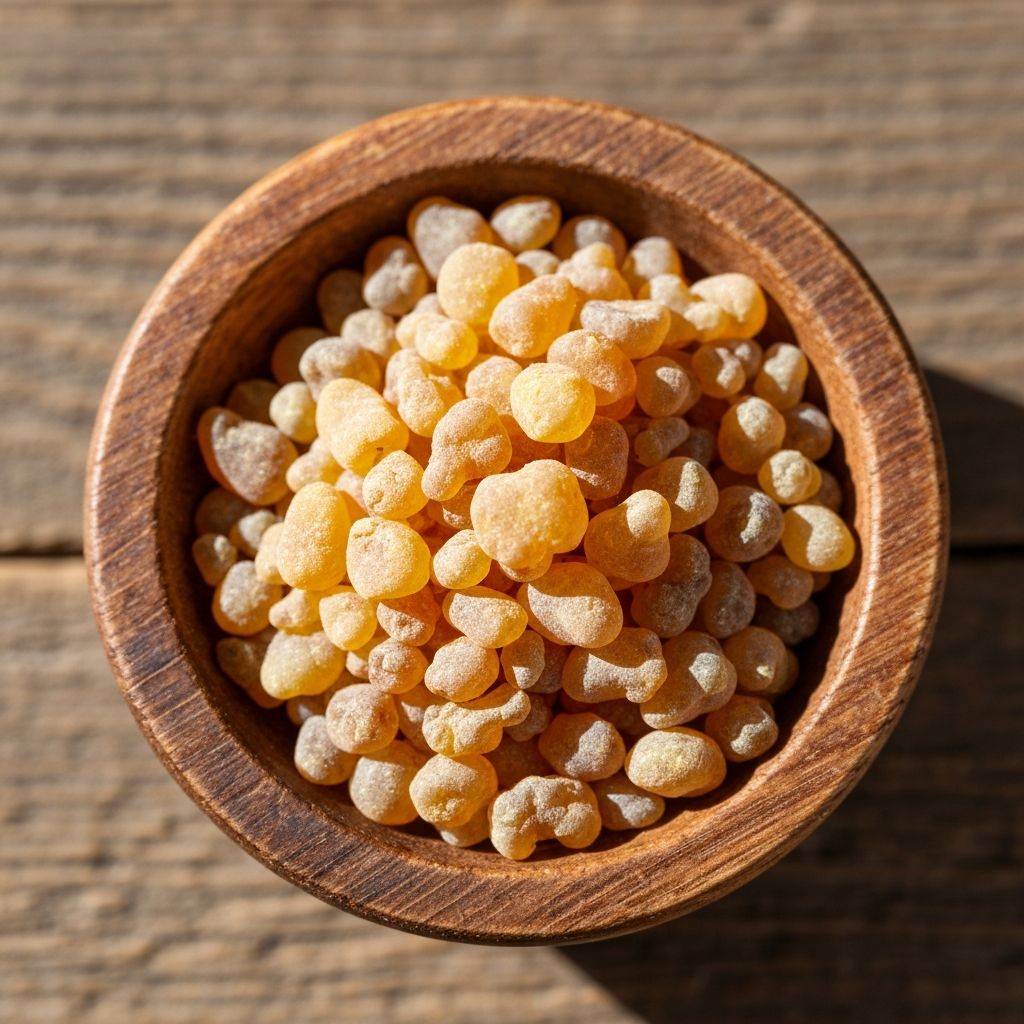
Boswellia serrata, another botanical substance, contains boswellic acids that have been analyzed in laboratory settings. These compounds exhibit specific molecular characteristics that researchers continue to investigate within the context of human biology.
The field of phytochemistry examines how plant compounds demonstrate various properties at the molecular level. This academic discipline provides frameworks for understanding potential mechanisms without making claims about specific outcomes or applications.

History of Herbal Knowledge in Central Europe
Central European traditions of botanical knowledge span centuries, with documented herbal texts dating back to medieval monasteries. Czech lands, in particular, maintained extensive herbaria and botanical gardens that served educational purposes.
Historical figures such as Hieronymus Bock and Leonhart Fuchs compiled comprehensive botanical works in the 16th century, cataloging plant species and their observed properties. These texts formed the foundation for modern botanical classification systems.
The tradition of studying plant substances continued through the establishment of university programs in pharmacy and natural sciences. Prague's Charles University, founded in 1348, became a center for botanical research and education in the region.
Contemporary interest in traditional botanical knowledge reflects an ongoing academic dialogue between historical observations and modern scientific methodology. This knowledge hub draws upon these historical contexts while maintaining a strictly educational perspective.
The Science of Cartilage Maintenance
Cartilage tissue consists primarily of water, collagen proteins, and proteoglycans. These components create a matrix that provides mechanical properties essential for joint function. The biochemistry of cartilage involves complex metabolic processes that occur at the cellular level.
Chondrocytes, the cells responsible for cartilage production, synthesize various macromolecules including type II collagen and aggrecan. These substances contribute to the structural characteristics of cartilaginous tissue.
Nutritional factors play theoretical roles in supporting the metabolic processes of connective tissues. Vitamins such as C and D, along with minerals like calcium and magnesium, participate in numerous biochemical pathways. Academic research continues to examine these relationships within controlled study environments.

Nutrient Synergy for Activity
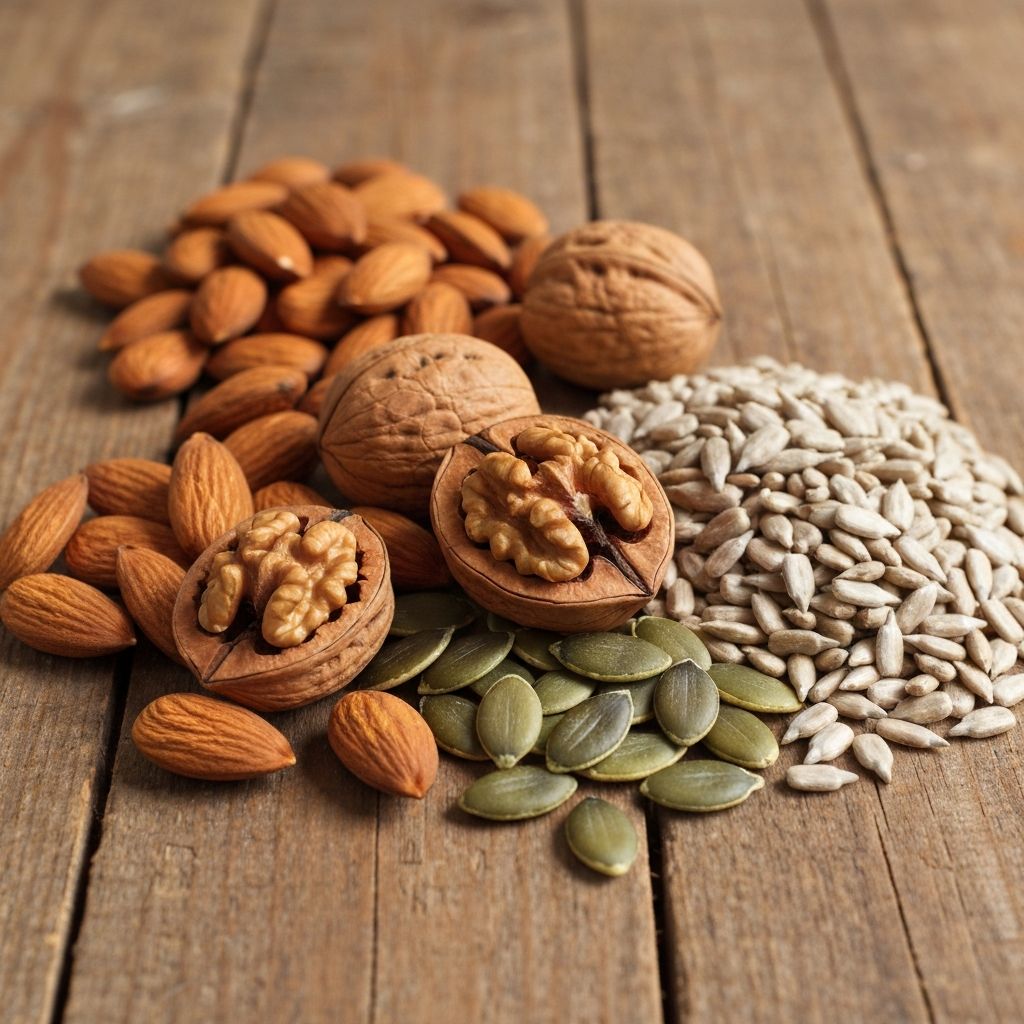
The concept of nutrient synergy describes how various dietary components may interact within biological systems. Vitamins, minerals, and phytonutrients exist as parts of complex nutritional matrices rather than isolated entities.
Omega-3 fatty acids, for instance, represent lipid compounds found in certain plant and marine sources. Their molecular structure includes specific configurations of carbon chains that have been extensively characterized in biochemical research.
Antioxidant compounds such as flavonoids and polyphenols demonstrate particular chemical properties in laboratory analyses. These substances are abundant in numerous plant foods and have been subjects of ongoing academic investigation.
Environmental Impact on Physical State
Environmental factors including climate, altitude, and water quality influence human physiology in measurable ways. The relationship between environment and physical state represents an area of continued scientific interest.
Hydration status affects numerous bodily functions, including the maintenance of synovial fluid in joint spaces. Water constitutes a major component of most biological tissues and participates in countless metabolic processes.
The Czech Republic's natural environment, characterized by mineral springs and forested landscapes, has historically been associated with wellness traditions. These geographical features contribute to the region's educational focus on natural substances and their properties.

Understanding Bioactive Substances
Curcuminoids
Curcumin and related compounds from Curcuma longa exhibit distinctive yellow pigmentation and specific molecular structures. Chemical analyses reveal polyphenolic characteristics that have been studied in various research contexts.
Plant Polyphenols
Polyphenolic compounds occur widely across plant species, demonstrating diverse structural variations. These molecules participate in plant defense mechanisms and exhibit properties studied within nutritional science frameworks.
Botanical Extracts
Extraction processes isolate specific compounds from plant materials using various methodologies. Standardized extracts allow for consistent analysis of bioactive components across research studies.

Modern Educational Research
Contemporary research institutions continue to investigate botanical compounds through systematic methodologies. Universities and research centers employ analytical techniques including spectroscopy, chromatography, and cellular assays to characterize plant substances.
Published literature in peer-reviewed journals provides data on molecular structures, biochemical pathways, and theoretical mechanisms. This body of knowledge forms the basis for educational materials that explain complex concepts to general audiences.
The scientific method requires rigorous standards for evidence and reproducibility. Educational resources like this knowledge hub present information within appropriate contexts, distinguishing between laboratory findings and real-world applications.
Theoretical Framework of Wellness
The concept of wellness encompasses multiple dimensions including physical, mental, and environmental factors. Theoretical models in health sciences attempt to describe relationships between various lifestyle components and overall well-being.
Physical activity, nutritional intake, sleep quality, and stress management represent interconnected elements within wellness frameworks. Academic research explores how these factors may interact to influence human physiology over time.
This knowledge hub presents information about botanical substances within the broader context of wellness theory, without suggesting specific practices or individual applications. The educational approach emphasizes understanding concepts rather than prescribing actions.
Regional Botanical Traditions
The Czech lands possess rich traditions of working with native plant species. Lavender fields, meadow herbs, and forest botanicals have been subjects of local knowledge for generations.
Regional herbalists historically documented observations about seasonal variations in plant properties and optimal harvesting periods. These practices reflect accumulated experiential knowledge passed through communities.
Modern botanical education builds upon these traditional foundations while incorporating scientific methodologies. The integration of historical knowledge with contemporary research creates comprehensive educational frameworks.

Frequently Asked Questions
Limitations and Context
This educational resource presents information about botanical substances and their studied properties within academic contexts. The materials provided here serve informational purposes only and possess several important limitations:
- Content does not constitute individual recommendations or personalized guidance
- Information describes theoretical concepts and research findings rather than practical applications
- Diverse approaches exist for supporting physical wellness, and no single perspective is promoted
- Materials do not replace professional consultations or specialized expertise
- Scientific understanding of botanical compounds continues to evolve through ongoing research
Readers are encouraged to view this content as part of their broader educational exploration of topics related to human biology, nutrition science, and botanical chemistry.
Continue Your Educational Journey
Explore additional resources and information about botanical compounds, human movement, and nutritional science.
Learn More About This Project Access Contact InformationContact Information
ActiveRoots Educational Hub
Address:
Klimentská 1216/46
110 00 Nové Město
Czechia
Phone:
+420 224 810 593
Email:
[email protected]